“It’s so much bigger than anything else”
– Dr. Bradstock, director of the Center for Environmental Risk Management of Bushfires
Overview:
Since September of 2019, bushfires have been ravishing through Australia. Causing destruction and death over all forms of life. Firefighters from all over the world have gathered to fight these fires and try and save what is left of the land down under. These bushfires have caused billions of dollars worth of damages and displaced families from homes, animals from their habitats, and put the whole country of Australia on guard for what could possible happen next. So, what should we know about these fires? What can we do to help from almost 10,000 miles away?
Vocab term: Bushfire – a fire in scrub or a forest, especially one that spreads rapidly.
Where are these bushfires at in Australia?
- Every state/territory has reported a bushfire this summer
- Largest fires are in…
- New South Wales
- Victoria
- (Eastern/Southern Coast)
Pictured below shows what we can see of the fires via satellite and a map of where these fires are located.


How did these bushfires start?
Bushfires are notoriously started by lightning or a spark in a dry, brush filled area of a forest. However, some bushfires are started maliciously. There are a reported 52,000 – 54,000 bushfires every year in Australia. Arson accounts for HALF of these bushfires. 13% of these fires are found to be deliberately started, and 37% are suspiciously started destroying an average of 31,000 acres a year due to humans.
In late October of 2019, a bolt of lightning struck the base of the Gospers Mountain in New South Wales in just the right spot. A bushfire started and continued to connect with surrounding fires to create this bushfire that has been the headliner for news articles for almost three months.

Scale of these bushfires?
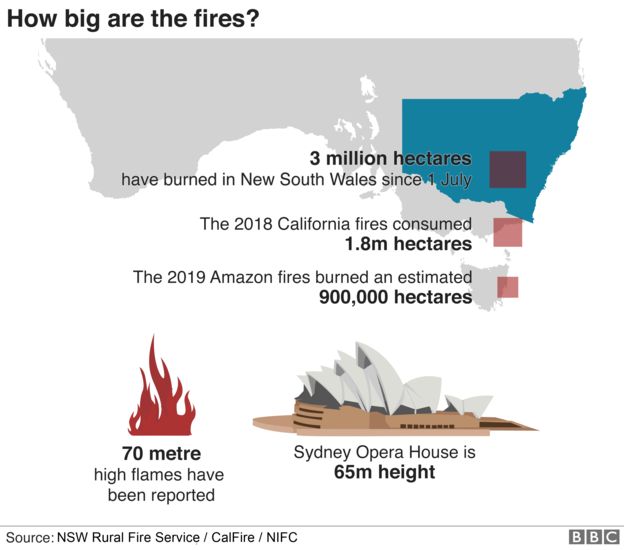
This is one of the most devastating bushfires in history! Growing to be bigger than some small European countries and burning an area the size of West Virginia. Here are the facts…
- More than 15.6 million acres have been burned
- Engulfed more than 24,000 square miles
- Destroyed more than 1,400 homes
Below shows the comparison in size of the bushfires to other states in the US as well as comparing this fire to other devastating fires.
:format(webp):no_upscale()/cdn.vox-cdn.com/uploads/chorus_asset/file/19577382/bush_fires_graphic.jpg)
Who’s helping?
The “World’s largest volunteer firefighting organization” is what the New South Wales Rural Fire Service (or NSW RFS) is calling themselves. Over 70,000 firefighters from around the world have joined hands in helping combat these deadly fires. The number is only growing as well, with the continuation of these fires, more and more firefighters are volunteering their time and life.
“We’re doing it because it’s a passion. It’s a brotherhood.”
– Daniel Knox, Volunteer Firefighter, New South Wales
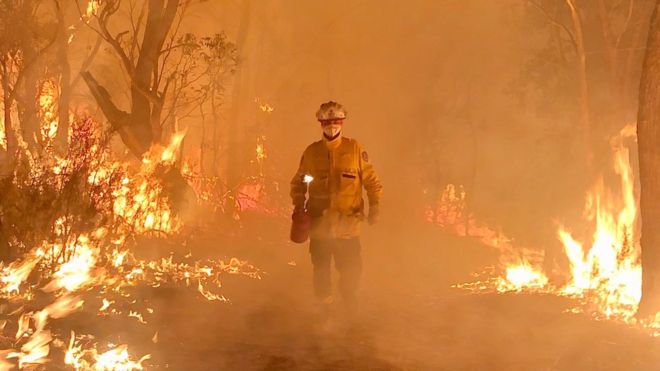
This photo of Knox was taken after his 15 hour shift battling these bushfires. Only one of thousands that has stopped their normal lives to stare death down and fight these fires. 90% of the 70,000 firefighters who are working day in and day out to stop these fires, are also volunteers. Only a few senior ranking officials are being paid for this endeavour.
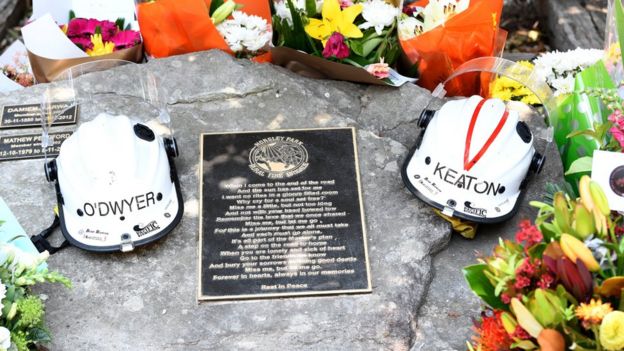
Below shows the appreciation, love, and support Sydney’s Opera House is showing all their volunteer firefighters.

Above is a link to a video posted on twitter by the NSW RFS showing the sheer size and danger of the fires, and how brave those volunteering truly are to position themselves in this situation willingly, and without compensation.
More than 24 people have died in these bushfires. Not only making it destructive and devastating, but deadly.
How does this affect wildlife?
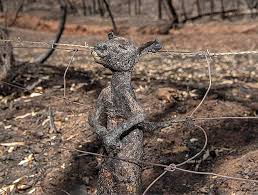
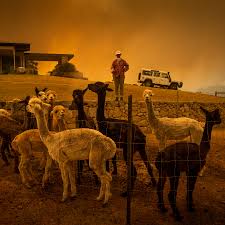
Wildlife is taking a detrimental loss due to the fires that have been ravishing for nearly four months now. An estimated half a billion animals have died in New South Wales alone. People who are close to the fires can hear the screams of Koalas in the fires yelling out for help, making a sound only made by Koalas in extreme stress and pain.
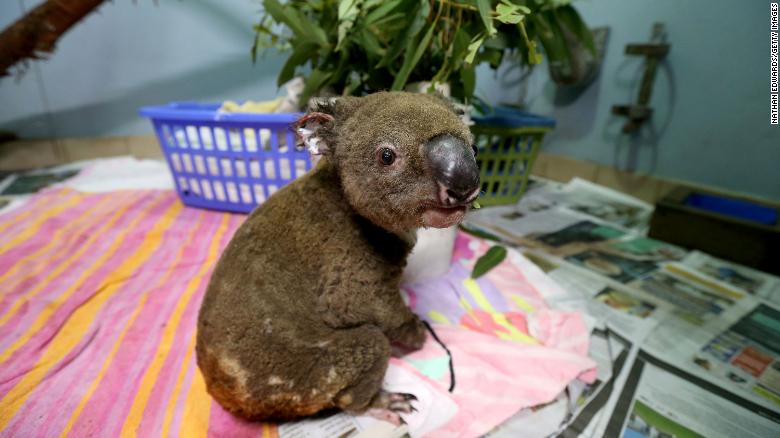
Koalas are the most vulnerable animal to these fires. Not only are they slow, but their habitat and food is trees and leaves. Their home and bodies are burning. If they aren’t killed by the fires, predators that survive easily pick off these helpless Koalas resting on the burnt forest floor.
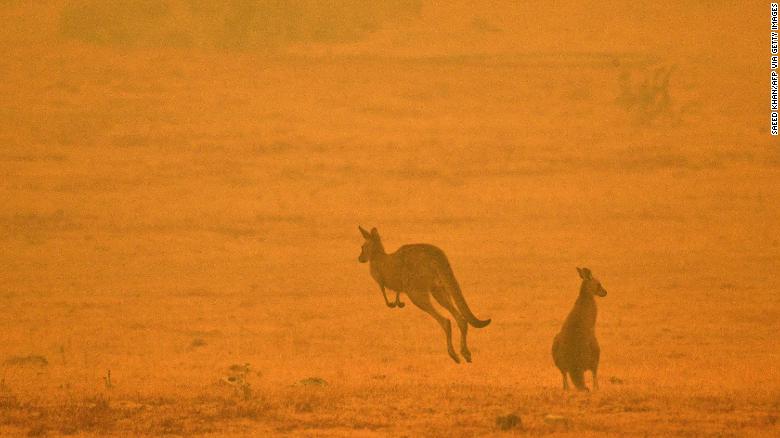
Wildlife is having to fight to survive. Kangaroos are fast, they have the ability to out run, or out hop, these fires, but they can still be trapped within the fires. Species that burrow underground, such as wombats, snakes, and the native large carnivorous reptile Goanna have a high survival rate. Although they may be burned a bit, possums are able to burrow within trees and that can save their lives.
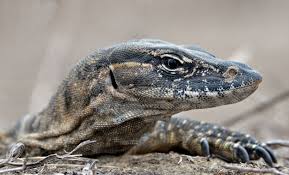
Some species can thrive under these conditions. Goannas, get lucky with the fires that leave their prey defenseless and immobile. Birds of prey can also flourish during these fires due to their ability to evade the flames and pick off their prey after they have been hurt.
How are these fires affecting Australians?
Australians have been dealing with these fires since late October. That means for the past several months, smoke from these fires has been emitted into the air, non stop. Smoke has covered the skies in cities like Sydney, Melbourne, Port Macquarie, and Canberra for months.

Not only are Australians at risk of their property being destroyed by a fire, but they now have health risks that are going to affect them in the future as well. You can see the blanket of smoke covering Sydney from fires over 50 miles away. University of NSW professor Bin Jalaludin, a chief investigator with the Centre for Air Pollution, Energy and Health Policy Research, said previous bushfire events had subjected civilians to smoke pollution for “a couple of days, a week at most”.
“I’ve been working in air pollution research since the early 1990s and we’ve not had any fires so prolonged or so extreme.”
– Professor Jalaludin
Officials in Australia have stated that they cannot know the full extent of the effects of the bushfires because they need time to pass to determine these. They hypothesize that those exposed to these fires have a higher risk of heart attack, stroke, and diabetes. The city of Canberra has been given the award for worst air pollution in the world at any time.
Agriculture has been widely affected by these bushfires as well. An estimated 46,000 heads of livestock has been lost directly related to these fires. Rural Australia has been affected the worst by these fires and urban areas are only getting the later effects of the smoke and the movement of displaced families to these already largely populated cities.
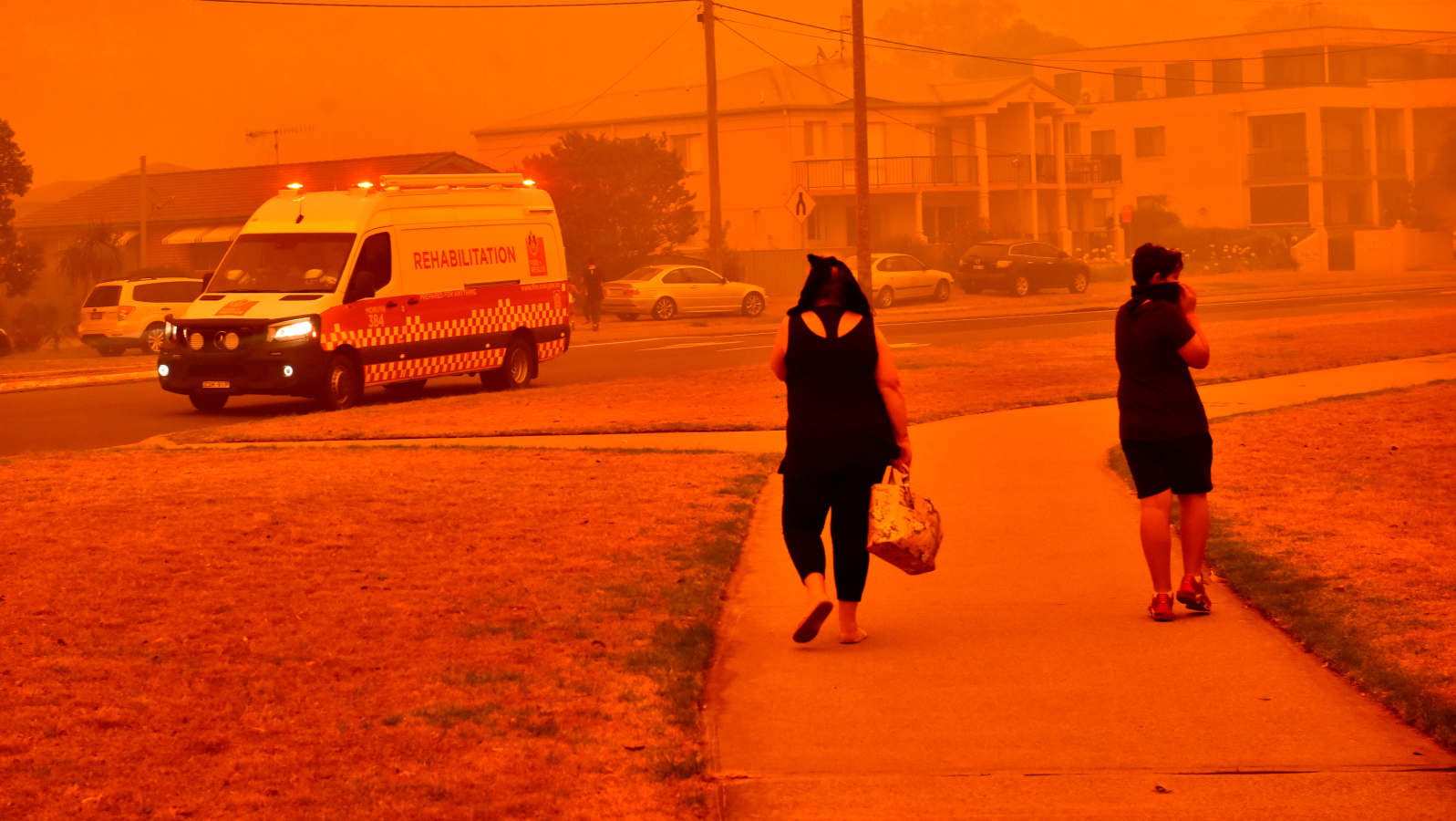
Tourism is a large part of the Australian economy as well. With 3.1% of Australians economy going towards tourism with an annual nine million people coming to Australia, grossing out at a total estimated $30 billion. 666,000 people work in the tourism business in Australia, and all these people are out of work with most of these tourist destinations being closed temporarily.
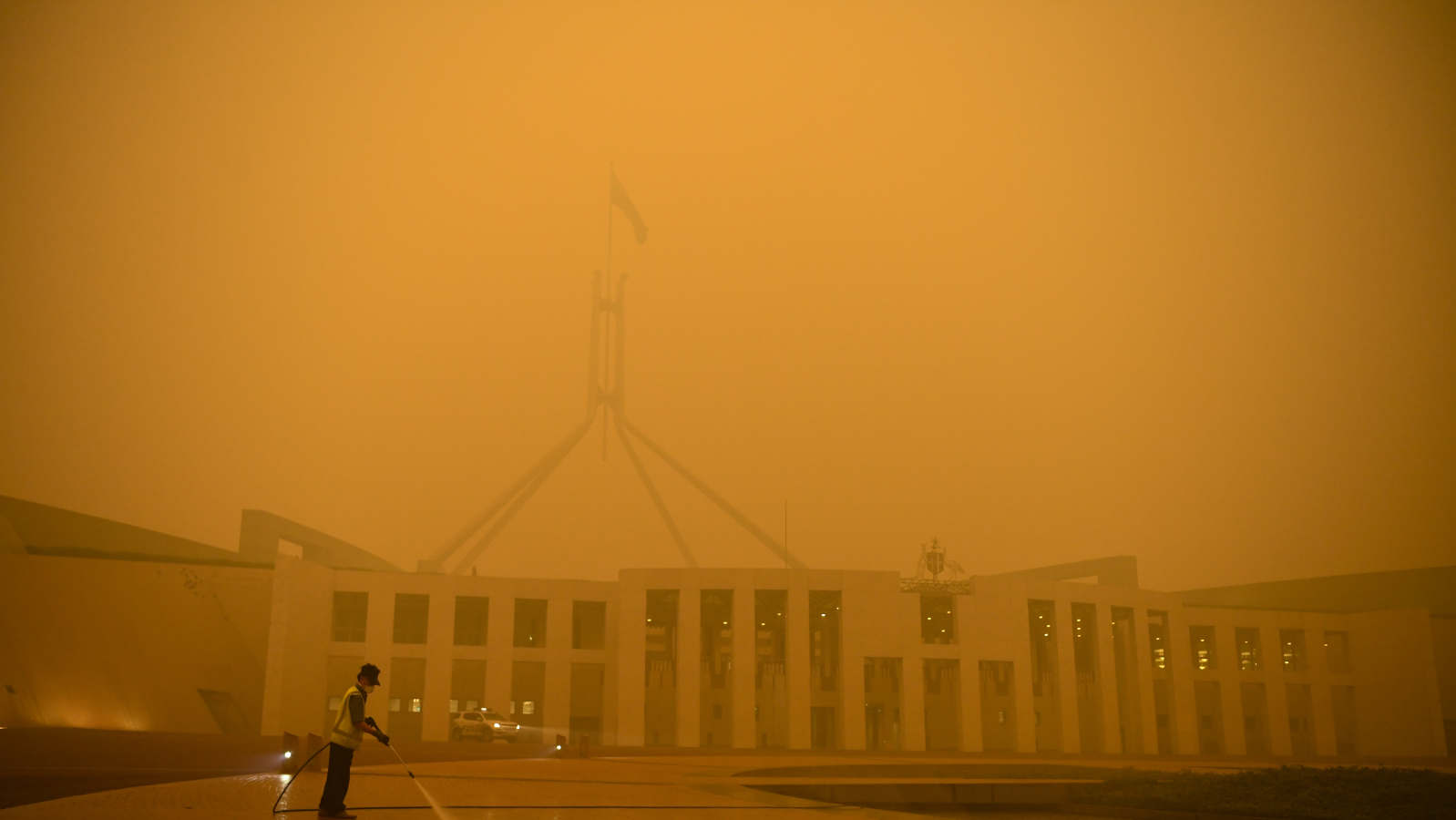
This picture shows the Parliament House in Canberra engulfed in smoke.
What can we do to help?
Not everyone can put their lives on hold and travel thousands of miles to go fight on the line of the fires like all of these brave volunteer firefighters, but there are still things we can do from home. YOU can make donations to several different organizations across Australia that are supporting different aspects in the land down under. I will leave their organization name and link below.
Australian Wildlife Conservancy:
World Wildlife Foundation:
Support Australia’s Wildlife:
Run down:
Australia and Australians have been fighting for their lives ever since late October when these bushfires started. Killing millions of wildlife and tens of people. Causing billions of dollars in damages and destroying everything in the fires path. Tens of thousand volunteers have fled to Australia to defend our planet against this disaster, but there is still a lot more that needs to be done.
Thank you for reading and please like, subscribe, and leave feedback!
(Sources included in links for each respective topic)
#1Earth
 NAShTYEarth